
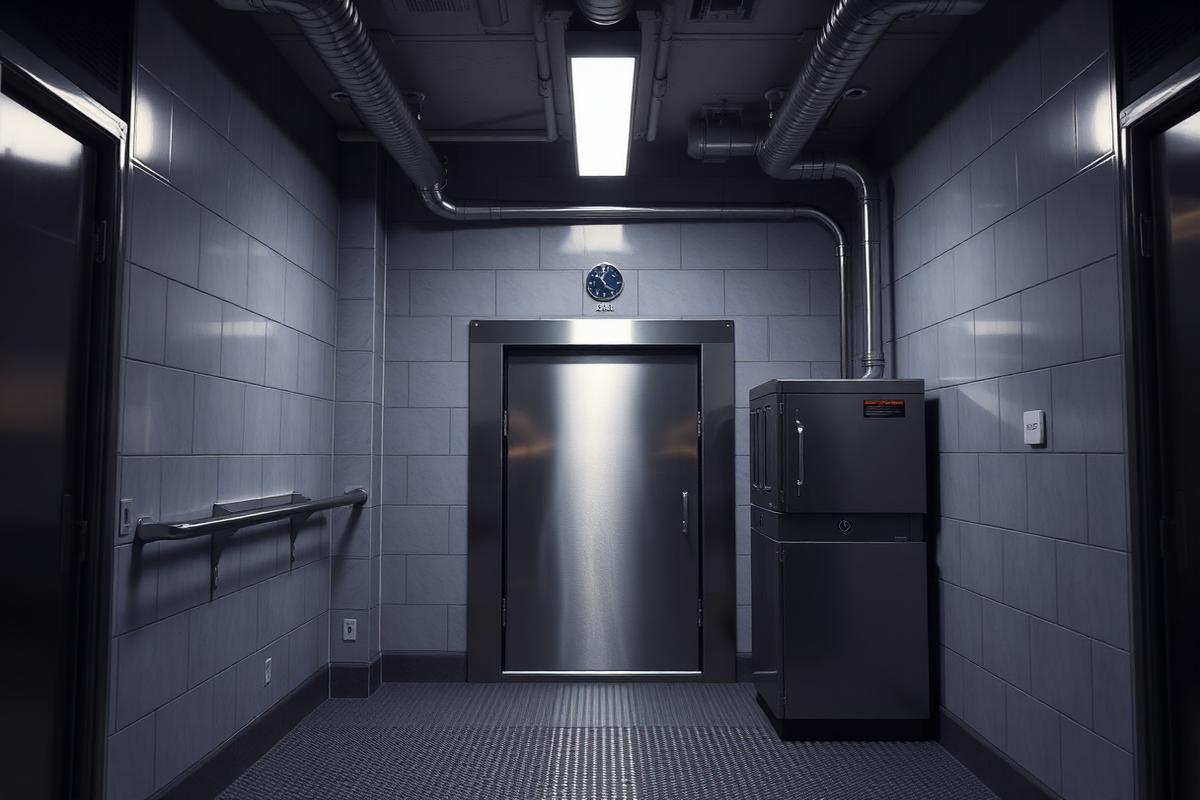
A nurse opens a service door on the third-floor cardiac wing and is immediately met with the heavy, sour scent of decomposing organic waste drifting up from the loading dock three stories below. It is a humid Tuesday afternoon, the waste hauler is delayed by two hours, and the negative pressure system in the compactor room is struggling to contain the volatile organic compounds venting from the medical waste bins. For patients with compromised respiratory systems or heightened sensitivities, these odors are more than a nuisance; they are a sign of a facility that has lost control over its environmental hygiene. Concrete floors are stained with leachate, and the heavy plastic seals on the compactor are beginning to fail under the heat.
Does your current program address the chemical source of the odor or simply add another scent to the air? How do you ensure that waste room vapors do not migrate into the hospital’s HVAC intake or stairwells? Is your staff spending more time on reactive cleaning than on preventative maintenance?
At Luften, we design and implement odor control programs that prioritize molecular neutralization over masking. It can be tricky to manage the complex waste streams of a high-volume healthcare facility, but there is a right answer for your situation.
This guide examines the mechanics of compactor room odor migration, the difference between surface treatment and atmospheric neutralization, and the engineering requirements for maintaining air quality in sensitive patient environments. By the end of this article, you will understand how to implement a continuous dosing strategy that targets odors at the source before they can enter your facility's ventilation system.
Source Treatment vs. Atmospheric Neutralization
In a hospital environment, the primary goal of odor management is the elimination of the odor molecule rather than the introduction of a heavy fragrance. Many facilities rely on simple aerosol sprays that trigger every fifteen minutes, but these often fail because they do not address the biological activity occurring within the compactor itself. When organic matter breaks down, it releases hydrogen sulfide and mercaptans; these gases are heavy and can linger in low-lying areas or be pulled into elevator shafts. Effective hospital odor control requires a dual-approach strategy that combines surface-acting bio-enzymatics with airborne neutralizing agents to break down the molecular structure of the scent. By applying treatments directly to the waste as it is compacted, you stop the gas production at the point of origin.
Continuous Dosing vs. Manual Washdowns
Manual cleaning of a compactor room is necessary for removing physical debris and leachate, but it is insufficient for 24-hour odor suppression. Between scheduled cleanings, bacteria repopulate the porous concrete and the internal mechanisms of the compactor, leading to a rapid return of foul smells. This is particularly problematic in our New York service area where high humidity during the summer months accelerates the decomposition process. Automated continuous dosing systems ensure that neutralizing chemistry is applied at consistent intervals, regardless of staff availability or hauling schedules. These systems can be integrated directly into the compactor head to spray every time the cycle is initiated, providing a targeted application that manual hosing simply cannot match.
Managing Leachate and Drain Migration
Odors in a waste room do not always stay in the air; they often live in the drains. As bags break and liquids pool under the compactor, they enter the floor drains and begin to form thick biofilms. This can lead to persistent smells that seem to come from the floor itself, even after the room has been mopped. If these drains connect to the broader facility plumbing, the gases can travel back up through dry P-traps in other parts of the building. Comprehensive [drain odor elimination](/drain-odor-elimination) must be part of your compactor room strategy to prevent the buildup of organic solids that serve as a breeding ground for pests and bacteria. Utilizing a specialized biological digester for these specific drains will keep the lines clear and prevent the back-migration of sewer gases into patient-facing areas.
Airflow Engineering and Vapor Phase Technology
Even with the best cleaning protocols, some odor escape is inevitable during the hauling process when the compactor is disconnected. In these instances, the facility must rely on vapor-phase technology. Unlike traditional misting systems that use water droplets, vapor systems use dry, sub-micron particles that stay suspended in the air longer and have a higher surface area for neutralizing odors. This technology is essential when the waste room is located near an air intake or a public entrance. Utilizing dry vapor technology allows for odor neutralization without increasing the humidity or slip-hazards within the loading dock or waste staging area. When integrated with the building’s pressure zones, these systems create a chemical curtain that prevents malodors from crossing the threshold into the hospital interior.
Choosing the Right Program for Your Facility
Selecting the right approach for a healthcare facility requires an audit of your waste volume, the physical layout of your loading dock, and the proximity of patient windows or air intakes. A program that works for a retail center will likely fail in a hospital because the waste chemistry—including food service, soiled linens, and medical byproduct—is significantly more complex. You must prioritize chemistry that is non-toxic and VOC-compliant to ensure it does not interfere with the health of your occupants.
Focus on systems that offer remote monitoring and automated alerts. If a dosing pump fails or a chemical drum runs low, your facility team should know before the resident staff begins to complain about the air quality. Integrating your odor control with your broader grease trap maintenance or drain programs ensures that no part of the waste stream is left untreated.
Have a question or need support with your facility's air quality or waste management? Our team is here to help — we'll connect you with the right expert to evaluate your compactor room and design a solution that works for your specific layout.