
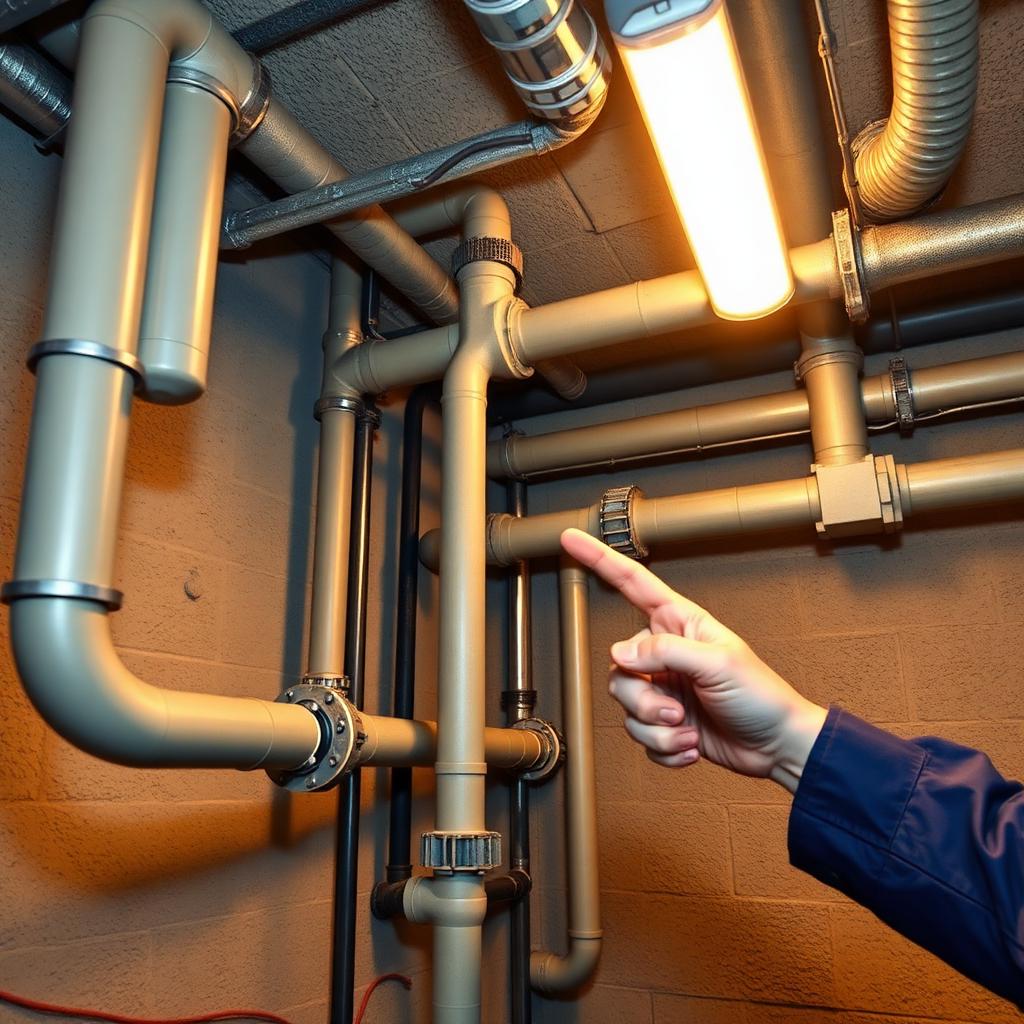
A tenant on the fourth floor opens their door at 6:00 PM and is immediately met by the heavy, sweet scent of rotting organic matter and stale trash. By 8:00 PM, the complaint has moved from a text to the super to a formal email thread involving the regional manager, claiming the building is unsanitary. You walk the hallway and notice the smell isn't constant; it drifts in waves, strongest near the elevator bank but faint near the stairwell. The air feels heavy, the ventilation seems stagnant, and the plug-in deodorizers the cleaning crew installed are only making the atmosphere more cloying.
Is the smell originating from a specific unit, or is the building's internal pressure pulling air from the basement? Are you dealing with a hygiene issue in the compactor room or a mechanical failure in the HVAC system? Identifying the source of a hallway odor requires a systematic approach to building science rather than a reactive application of fragrance.
At Luften, we design and implement engineered programs for odor control in NYC and New Jersey. It can be tricky to isolate the root cause of air quality issues in dense urban environments, but there is a right answer for your situation.
This guide explores the technical causes of recurring hallway odors in New York City rental properties, providing a framework to distinguish between trash-derived gases, drainage failures, and airflow imbalances. By the end of this article, you will understand how to trace odors to their source and implement a remediation strategy that addresses the chemistry of the air rather than just masking the symptoms.
Stack Effect vs Localized Source Contamination
In high-rise NYC buildings, the 'stack effect' often dictates how odors travel through common areas. When the air inside a building is warmer than the air outside, it rises, creating a vacuum at the lower levels that pulls air—and smells—upward through elevator shafts and stairwells. If you find that odors are most prevalent on the upper floors during the winter, you likely have a pressure imbalance that is drawing odors from the basement or compactor rooms. Understanding building pressure is critical because a smell on the 12th floor may actually be caused by a lack of proper [odor control in NYC buildings](/odor-mitigation-nyc-new-jersey) at the ground-level trash collection point. Conversely, if an odor is isolated to a single hallway wing, the source is likely localized, such as a blocked trash chute or a resident's unit where the door seals have failed.
Trash Chute Biofilm vs Compactor Room Gases
One of the most frequent culprits for hallway odors is the vertical trash chute. As residents drop bags, organic waste, liquids, and grease coat the internal walls of the chute, creating a thick layer of biofilm. This biofilm serves as a breeding ground for bacteria that release hydrogen sulfide and methane gases. These gases are often pushed out into the hallways every time a chute door is opened. While standard power washing provides temporary relief, it often fails to remove the bacterial colony at the microscopic level. Effective remediation requires a consistent application of enzymatic cleaners that digest the organic matter inside the chute to prevent gas buildup. Many managers find that a comprehensive trash chute cleaning program, combined with automated dosing at the top of the chute, is the only way to maintain neutral air in the adjacent corridors.
Floor Drain Evaporation and Sewer Gas Infiltration
Hallways that contain utility closets, mop sinks, or fire pump rooms are susceptible to sewer gas infiltration. Every floor drain is equipped with a P-trap designed to hold a small amount of water, which acts as a seal against the sewer system. In many NYC buildings, these drains are rarely used, causing the water seal to evaporate over time. Once the seal is gone, methane and other foul-smelling gases enter the building's common areas. This often manifests as a 'rotten egg' smell that seems to come from the walls or floors. Maintaining the integrity of floor drain traps is a foundational step in [drain odor elimination](/drain-odor-elimination) that prevents hazardous gases from migrating into residential hallways. Regular inspection of these utility spaces can prevent a building-wide odor crisis before it triggers a tenant complaint.
HVAC Integration and Ambient Air Neutralization
Once the physical source of an odor has been addressed—whether through cleaning or mechanical repair—the residual molecules can still linger in hallway carpets and wall coverings. This is where the distinction between masking and neutralization becomes vital. Aerosol sprays and passive gels typically use heavy perfumes to overwhelm the nose, which many tenants find equally offensive. A more technical approach involves the use of HVAC scent diffusers that employ cold-air nebulization. This technology breaks down odor-neutralizing agents into dry micro-particles that stay suspended in the air longer, actively bonding with and neutralizing malodor molecules. Integrating neutralization technology directly into the building's air handling units ensures that the common area air remains consistently fresh without the use of overpowering floral scents.
Choosing the Right Odor Strategy for Your Property
To choose the correct program, you must first determine if the problem is intermittent or constant. Intermittent odors usually point to human behavior or trash chute usage, while constant odors suggest a mechanical failure like a dried P-trap or a faulty ventilation fan. Start by auditing the lower levels of the building, as the basement often dictates the air quality of the floors above it.
For properties with high foot traffic or luxury expectations, a multi-layered approach is often necessary. This includes source treatment at the compactor, biological maintenance of the drains, and a subtle ambient scenting program to reinforce a sense of cleanliness. By addressing the chemistry of the environment, you move from reactive crisis management to a proactive maintenance posture that protects the building's reputation and resident retention.
Have a question or need support? Our team is here to help — we'll connect you with the right expert.