
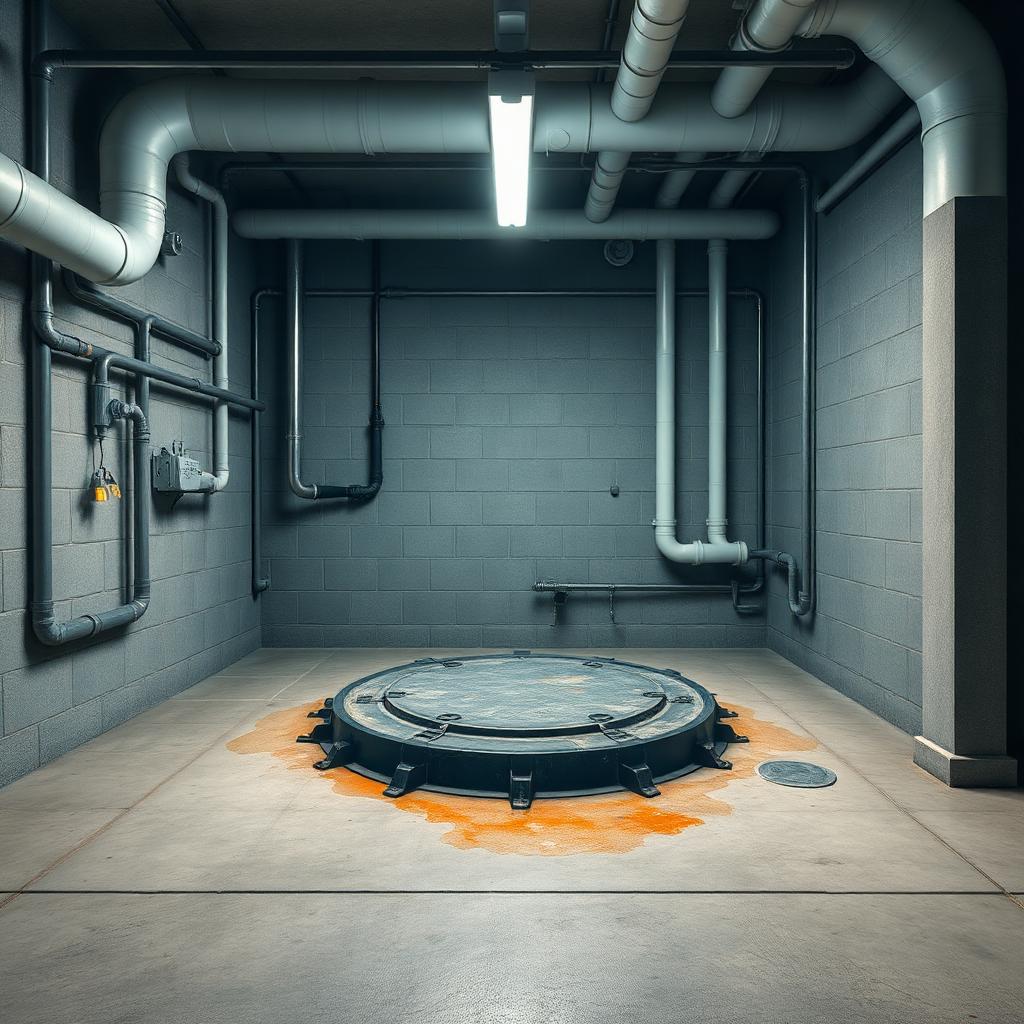
Imagine you are walking through the basement of a pre-war co-op on the Upper West Side during a heavy rainstorm. The air in the mechanical room is thick with a sharp, sulfurous stench that is beginning to drift into the ground-floor lobby and the super's apartment. In the corner, the sewage ejector pit is cycling every thirty seconds, but the water level is rising toward the lid, indicating a potential pump failure or a massive accumulation of non-flushable debris. If that pit overflows, you are looking at a biohazard remediation bill in the tens of thousands of dollars and a building-wide plumbing shutdown that will leave residents without service for hours.
How do you determine if a pit requires a simple mechanical repair or a chemical intervention? Is the odor coming from a failed gasket or a deeper biological imbalance in the basin? Does your current maintenance schedule account for the specific volume of a high-rise residential building?
At Luften, we design and manage engineered wastewater and air quality programs for complex urban environments. It can be tricky to manage sub-grade plumbing systems in dense residential blocks, but there is a right answer for your situation.
This guide provides building managers with a technical framework for understanding sewage ejector pit maintenance, from the chemistry of odor formation to the mechanics of pump longevity. By the conclusion of this article, you will understand how to differentiate between mechanical and biological failures and how to implement a preventative program that protects your building’s infrastructure and air quality.
Mechanical Integrity vs. Biological Management
Most property managers view the ejector pit solely as a mechanical asset, focusing on the pumps, floats, and check valves. While mechanical functionality is essential, the pit is also a biological reactor where organic solids break down in an anaerobic (oxygen-poor) environment. When solids sit stagnant, bacteria produce hydrogen sulfide gas, which is not only the source of the classic rotten-egg smell but is also highly corrosive to metal components and concrete basin walls. Comprehensive lift station and ejector pit care requires a dual approach that addresses both the physical hardware and the microbial activity within the effluent. Effective maintenance must prioritize the reduction of solid accumulation to prevent the anaerobic conditions that lead to both pump clogs and hazardous gas emissions.
Reactive Pumping vs. Continuous Biological Treatment
When a pit becomes overloaded with sludge or fats, oils, and grease (FOG), many buildings rely on reactive "pump-outs" where a vacuum truck removes the entire contents of the basin. While necessary for emergencies, this does not solve the root cause of buildup and can be prohibitively expensive in a New York service area where site access is restricted. Continuous biological treatment uses automated dosing systems to introduce specialized bacteria and enzymes that pre-digest organic matter before it can settle and harden. This keeps the effluent in a more liquid state, reducing the torque required by the pumps and extending the time between manual cleanings. Transitioning from a reactive pumping model to a continuous biological dosing program significantly reduces the risk of float switch failure caused by grease capping.
Source Treatment vs. Air Phase Masking
If residents complain about odors, the common instinct is to install a fan or a fragrance dispenser in the basement hallway. This is an air-phase intervention that masks the symptom without addressing the chemical source. Ejector pit odors are often caused by pressure differentials that push sewer gases through dried floor drains or degraded pit seals. To solve this, you must treat the source by neutralizing the sulfide compounds in the water and ensuring that drain odor elimination protocols are followed for all secondary lines leading to the pit. Relying on ambient fragrance to hide wastewater odors is an ineffective strategy that ignores the underlying corrosive gases which can damage sensitive building electronics and copper piping.
Choosing the Right Program for Your Property
Selecting a maintenance strategy depends on the age of your infrastructure and the resident density of your building. A 200-unit condo generates significantly more organic load than a smaller boutique co-op, requiring more frequent monitoring of the total suspended solids within the basin. If your building has a history of "non-flushable" wipes causing pump impellers to bind, a biological program should be paired with mechanical grinders or screens.
Your strategy should also account for the physical location of the pit. Basements with poor ventilation require more aggressive odor control programs to ensure that hydrogen sulfide levels remain below the threshold of human detection. Regular inspections should include testing the high-water alarms and verifying that the check valves are preventing backflow from the city sewer main, especially in low-lying zones prone to flash flooding.
Have a question or need support? Our team is here to help — we'll connect you with the right expert.