
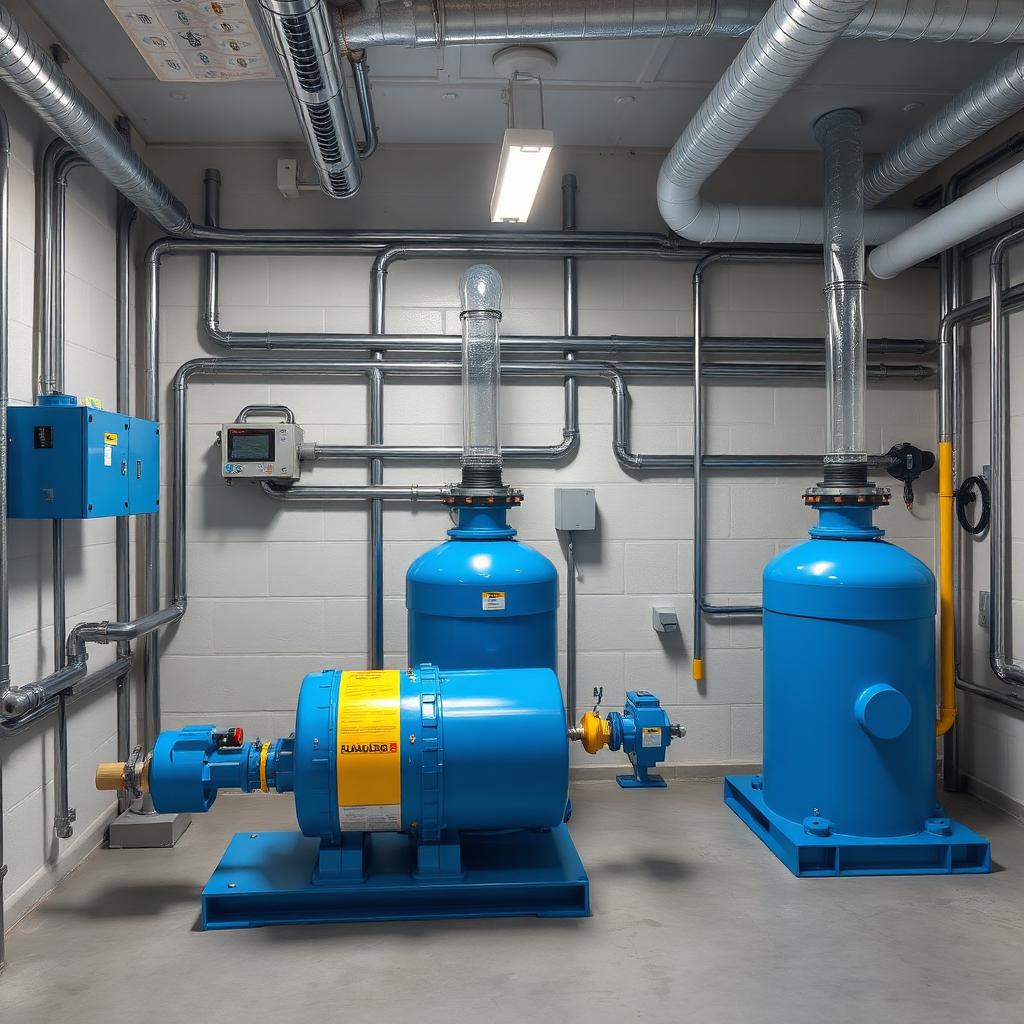
Imagine you are walking the basement corridor of a Class A Midtown office tower at 7:00 AM, just as the morning influx of tenants begins. As you pass the mechanical room housing the sewage ejector pits, a heavy, sulfurous stench hits you, drifting toward the freight elevators and potentially up the shafts to the lobby. The pumps are cycling correctly and there are no visible leaks on the floor, yet the air is thick with the unmistakable scent of stagnant waste and hydrogen sulfide. You know that once the building reaches peak occupancy at 10:00 AM, the increased flow will only agitate the pit further, turning a localized maintenance issue into a tenant experience crisis.
Is the odor a result of mechanical seal failure or a shift in the pit's microbial balance? Are you dealing with simple stagnant sewage, or has the accumulation of fats, oils, and solids created a structural layer of off-gassing sludge? Should you be looking at a heavy-duty chemical knockdown or a long-term biological stabilization program?
At Luften, we design and implement engineered wastewater and odor-control programs for complex urban environments. It can be tricky to diagnose the root cause of basement sewage smells in high-rise structures, but there is a right answer for your situation.
This guide examines the mechanical and chemical drivers behind ejector pit odors in commercial office settings, specifically focusing on the transition from reactive cleaning to proactive biological management. By the end of this article, you will understand how to identify the difference between mechanical venting issues and organic buildup, how to select the correct treatment chemistry, and how to establish a maintenance cadence that prevents odors from reaching tenant-facing areas of your New York City property.
Mechanical Integrity vs. Biological Buildup
When a sewer smell permeates an office basement, the first instinct is often to check the pump float or the vent stack. While a blocked vent or a cracked pit cover seal can certainly allow gases to escape, these are mechanical delivery systems for the odor, not the source. If the seals are tight but the smell persists, the problem is likely the chemistry of the effluent itself. In many NYC buildings, lift station and ejector pit care is neglected until an alarm sounds, allowing a thick layer of organic solids to accumulate at the bottom and sides of the pit. The most common cause of persistent basement odors is the anaerobic decomposition of solids that the pumps cannot fully evacuate during a standard cycle. This process releases hydrogen sulfide gas, which is not only foul-smelling but also corrosive to the very pumps and sensors you rely on.
Masking Agents vs. Molecular Neutralizers
Many facility managers attempt to resolve basement smells by pouring high-fragrance degreasers or bleach down the nearest floor drain. This rarely works because it fails to address the volume of the pit and often kills the beneficial bacteria that naturally break down waste. To truly resolve the issue, you must distinguish between masking the air and neutralizing the source. Effective odor control programs utilize molecular neutralizers that bond with sulfur and ammonia molecules to change their structure, rendering them odorless. Relying on fragrance to cover sewage smells in a confined basement space usually results in a sickly-sweet combination that tenants find even more off-putting than the original odor. For a professional environment, the goal should be a neutral, scent-free baseline that indicates a clean, well-managed mechanical system.
Bio-Augmentation vs. Traditional Chemical Dosing
In the context of NYC wastewater, the sheer volume of organic matter flowing into an ejector pit can overwhelm the system's natural capacity to process waste. Traditional chemical dosing often focuses on dissolving grease with harsh solvents, but this can lead to downstream issues in the city's sewer lines. A more modern approach involves bio-augmentation, where specialized bacterial strains are introduced to the pit to "eat" the sludge and fats. When you implement a consistent program for odor control in NYC and New Jersey, these microbes create a biofilm that continuously works to prevent the buildup of the solids that cause off-gassing. Choosing biological digestion over solvent-based cleaning ensures that you are treating the root cause of the sludge layer rather than just thinning the top of the grease cap. This method also extends the life of your pumping equipment by reducing the viscosity of the fluid the impellers must move.
Continuous Dosing vs. Manual Shock Treatment
Manual shock treatments—pouring a large volume of chemical into the pit at once—provide a temporary reprieve but are quickly washed away by the constant flow of greywater and sewage. A continuous dosing system, typically utilizing a peristaltic pump, ensures that the treatment chemistry is present 24 hours a day, regardless of flow fluctuations. A consistent, automated delivery of odor-neutralizing chemistry is the only way to maintain a stable environment in high-traffic office buildings where wastewater flow is unpredictable. This approach prevents the "peak" odor events that typically occur on Monday mornings after waste has sat stagnant over the weekend.
Choosing the Right Program for Your Facility
Selecting a strategy for ejector pit maintenance requires a clear assessment of your building’s specific waste profile. A building with a high concentration of ground-floor retail and food service will require a more aggressive biological program to handle fats and oils than a strictly corporate tower. You must also consider the proximity of the mechanical rooms to high-traffic areas like lobbies or fitness centers, which dictates how sensitive your odor-control thresholds must be.
Successful management relies on a combination of airtight mechanical seals, regular physical inspections of the pit interior, and an automated chemical or biological program that targets the source of the gas. By shifting your perspective from "managing a smell" to "managing a wastewater ecosystem," you can eliminate one of the most common sources of tenant dissatisfaction in older NYC office stock.
Have a question or need support? Our team is here to help — we'll connect you with the right expert to help you talk to our team today.