
Wastewater Treatment Programs
Luften runs managed wastewater treatment programs for buildings, commercial properties, food processors and public works: continuous metered biological and chemical dosing that suppresses hydrogen sulfide at the source, breaks down fats, oils and grease, and reduces sludge and buildup, installed and serviced monthly by Luften technicians for one flat monthly fee.
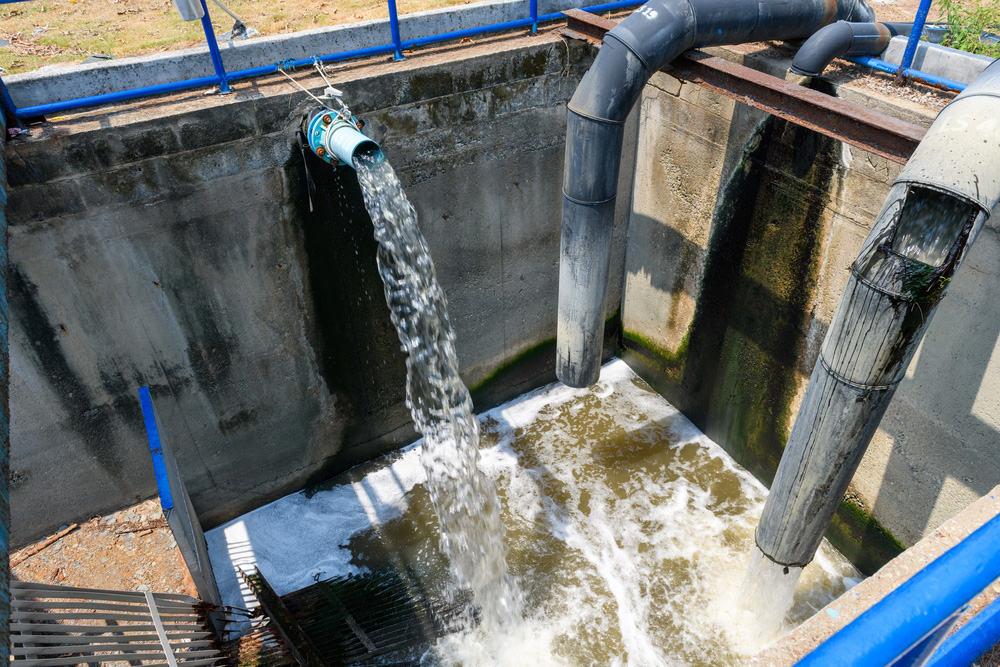
From the building pit to the force main.
See how this works for building pits on our ejector pit and lift station treatment program and our lift station care page.
Lift stations and wet wells
Calibrated dosing in the wet well suppresses sulfide formation at the source.
Sewage ejector pits
Continuous metered dosing keeps building pits from turning smelly and grease-choked.
Sewer lines and force mains
Biological dosing keeps lines flowing and limits buildup between stations.
Grease-heavy drain lines
Treatment breaks down fats, oils and grease before they become a backup.
Food-processing wastewater
Programs for the drains and wastewater lines of food-processing facilities.
One managed program, serviced monthly.
Free on-site walkthrough
A Luften technician inspects the pit, station or line and identifies the odor and buildup sources.
Sized to flow and detention time
Each program is sized to the system's flow and detention time.
Metered dosing installed
Dosing equipment installs above-deck, without taking a lift station offline.
Monthly refill and system check
Local technicians refill the reservoir, verify the dose rate and leave a written service log. For public works, telemetry reports dose volume, run-time and tank levels back to operations.
Fix it at the source, not after the call-out.
Learn more about hydrogen sulfide treatment.
- Hydrogen sulfide odor and sewer gas at the source
- H₂S corrosion of concrete and steel
- Fats, oils and grease that jam pumps and floats
- Sludge and buildup in pits, wells and lines
- Emergency pump-outs and call-outs
- Water-bug and pest pressure around pits
Properties and operators we serve.
Wastewater treatment questions
How often should an ejector pit be treated?
Treatment chemistry is dosed continuously by a metered pump. Service visits are typically monthly to verify the dose rate, refill the reservoir and inspect the pit. High-load pits, such as hotels and hospitals, may need more frequent service.
Read the full answerWhat causes ejector pit odors?
Usually biofilm on the pit walls and floats, dried check valves or pump seals letting sewer gas escape, and short pump cycles that leave a sludge layer. Treatment must address all three.
Read the full answerWhat causes lift station odor complaints from neighbors?
Hydrogen sulfide escaping the vent stack, ventilated wet well cover or pump discharge headers. The fix is source treatment of H₂S, not vent filtration alone.
Read the full answerCan a lift station be treated without taking it offline?
Yes. Chemical dosing equipment installs above-deck without shutdown. Cleaning and pump service typically require pump-around or alternating-pump operation.
Read the full answerWhat's the difference between a lift station and an ejector pit?
An ejector pit is building-scale and serves fixtures below the building sewer. A lift station is municipal or campus-scale and moves sewage between sewer zones. Both pump sewage uphill, but they're sized and regulated differently.
Read the full answerBook a free on-site walkthrough
Our technicians size, install and service the right program for your system. One flat monthly fee covers equipment, chemistry and labor.
Book a free walkthroughFrom the blog
Have a technician walk your building
We map the garbage room, chute, compactor, drains and lobby, then quote one monthly program. Free walkthrough, free installation, no contract.
Book a free walkthrough
Tell us where the smell is. A Luften technician will walk the building — free assessment, no contract required.