
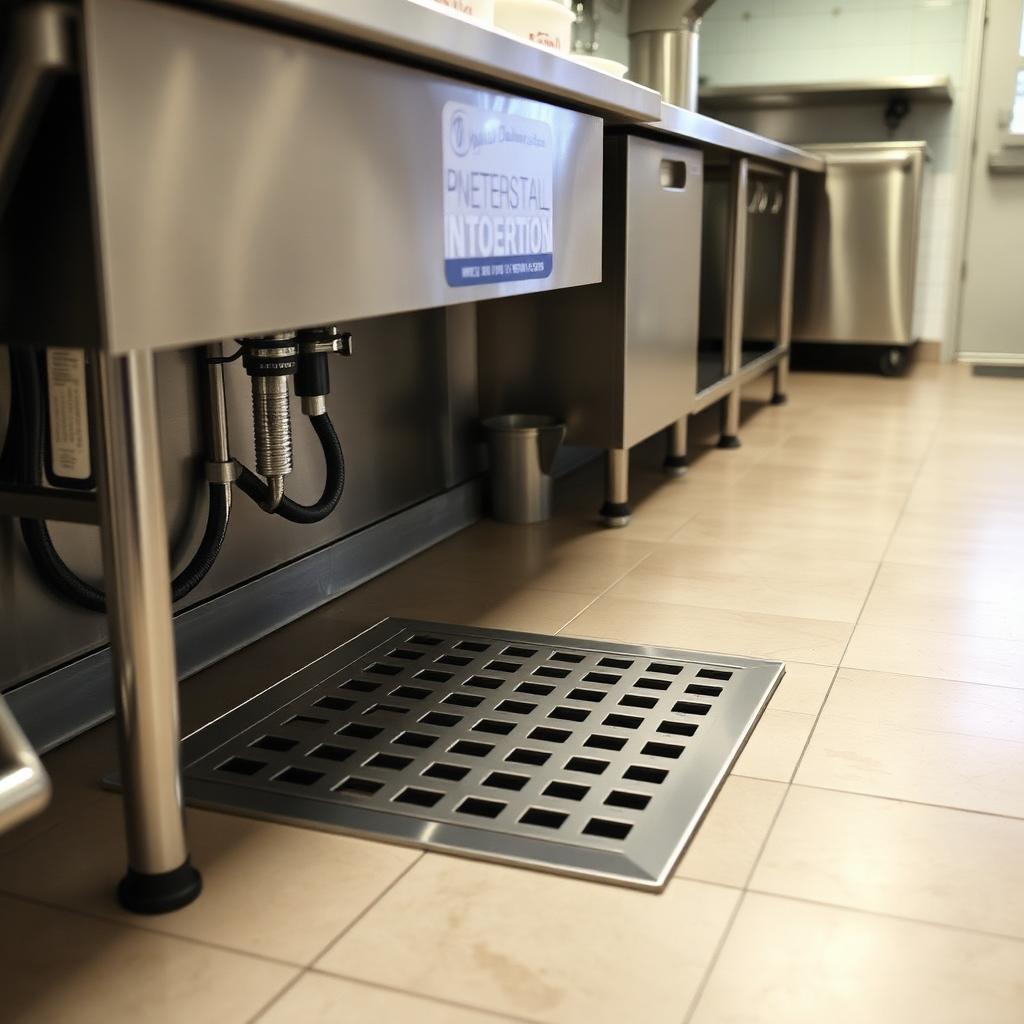
Monday morning prep is underway in your Huntington or Garden City kitchen, but as the dishwashers start their first cycle, the floor drains begin to burp. Within twenty minutes, a grey, oily slurry is backing up into the prep area, carrying the unmistakable sulfurous stench of decomposing fats, oils, and grease (FOG). You check the manifest and realize the last pump-out was six weeks ago, but the high-volume weekend has already pushed the interceptor past its capacity. Now, you are facing a potential health department violation, a professional cleaning bill, and a dining room that smells more like a sewer than a steakhouse.
Are your current pump-out intervals based on a calendar or actual FOG accumulation? Is the odor a sign of a mechanical failure in the baffle or a biological breakdown of the interceptor’s contents? Can bio-enzymatic treatments actually reduce your hauling frequency, or are they just a temporary fix for poor drainage?
At Luften, we design and manage engineered wastewater and drain programs for commercial facilities. It can be tricky to navigate the specific local requirements for Long Island grease trap systems, but there is a right answer for your specific volume and plumbing configuration.
This guide examines the mechanics of grease interceptor maintenance, the regulatory landscape in Nassau and Suffolk counties, and the technical differences between reactive pumping and proactive biological dosing. By the end of this article, you will understand how to establish a maintenance cadence that prevents backups, minimizes odors, and ensures your facility remains in compliance with local environmental standards.
Internal vs External Interceptors
The physical location and size of your grease trap dictate the frequency and method of service required to keep your kitchen operational. Larger external interceptors buried outside the facility can hold thousands of gallons, but they are prone to structural issues and heavy sludge buildup that a standard pump-out might miss. The most common failure point in restaurant drainage is assuming a large external tank requires less oversight than a small internal unit. While the volume is higher, the cooling of wastewater in outdoor lines often leads to grease solidification before it even reaches the tank, necessitating specialized drain odor elimination strategies to keep lateral lines clear.
Pumping Schedules vs Biological Dosing
Many operators view grease trap maintenance as a purely mechanical task of removing waste once the tank is full. However, relying solely on a pump-out schedule ignores the chemistry occurring inside the interceptor between visits. When FOG sits in an anaerobic environment, it creates acidic byproducts that can corrode concrete tanks and metal baffles over time. Biological dosing systems introduce specific strains of vegetative bacteria that actively digest grease, converting it into water and carbon dioxide. Integrating a continuous biological dosing program can significantly extend the time between expensive pump-outs by reducing the rate of FOG accumulation. This proactive approach is particularly effective in our New York service area where high-volume seasonal shifts in Nassau and Suffolk can render a fixed calendar schedule inaccurate.
Managing Odors at the Source
Grease traps are a primary source of hydrogen sulfide gas, which can migrate from the kitchen into the front-of-house, compromising your guest experience. While many managers attempt to solve this with air fresheners, the issue is usually a broken seal on the interceptor manhole or a dry P-trap allowing sewer gases to bypass the plumbing vents. Effective odor management requires treating the biological source of the smell rather than attempting to mask it with ambient fragrances. For restaurants that prioritize a premium atmosphere, addressing the grease trap is the first step before implementing scent marketing to enhance the dining area. If the kitchen smells of rancid grease, no amount of atmospheric scenting will successfully hide the underlying maintenance deficiency.
Navigating Nassau and Suffolk Regulations
Compliance in Long Island requires meticulous record-keeping, as inspectors from the Department of Public Works or the Health Department can request grease trap manifests at any time. In Suffolk County, specific focus is often placed on the protection of the groundwater table, meaning any leak or overflow from an outdoor interceptor can result in significant environmental fines. In Nassau, the density of the sewer infrastructure means that grease-related blockages in the municipal line are traced back to the source with high frequency. Maintaining a compliant [grease trap maintenance](/grease-trap-maintenance) program is not just about avoiding backups; it is about protecting your business from the legal and financial liability of a municipal sewer overflow.
Choosing the Right Program for Your Facility
Selecting a maintenance strategy depends on your menu, your seating capacity, and the age of your plumbing. A quick-service restaurant with a high-fryer output will require a drastically different approach than a fine-dining establishment with heavy dairy and sauce production. You must evaluate whether your current provider is simply hauling waste or if they are providing the technical analysis needed to optimize your system’s performance.
A successful program balances regular mechanical removal with consistent chemical or biological intervention. By monitoring the sludge and grease layers, you can adjust your pump-out frequency to match your actual usage, ensuring you aren't paying for unnecessary hauls or risking a catastrophic backup by waiting too long.
Focus on the data provided in your service manifests and the physical condition of your interceptor's baffles and seals. When these components are managed as a single engineered system, the result is a kitchen that runs efficiently and a dining room that remains free of foul odors.
Have a question or need support? Our team is here to help — talk to our team and we'll connect you with the right expert.